
Bonus - The Materials of Ritual (Material Feels Podcast)
Episode Summary
Ritual can help begin things, end things, bridge over from one thing to the next. What differentiates one kind of ceremony from another often comes down to intention. But what are the materials of ritual and how can we use them to design ceremonies to support us in doing "the thing"?
Shame Piñata Opening & Closing Music by Terry Hughes
Material Feels music by Liz de Lise
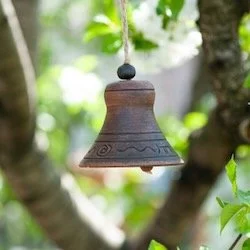
Image credit Alexandra Khudyntseva: https://unsplash.com/@sannka
Episodes by Topic
→ Episodes on Rites of Passage: https://ever-changing.net/rites-of-passage
→ Episodes on Authentic Weddings: https://ever-changing.net/authentic-weddings
→ Episodes on Grief & Loss: https://ever-changing.net/grief-loss
→ Episodes on Challenging Times: https://ever-changing.net/challenging-times
Support the Show
→ Subscribe In Your Favorite Player: https://kite.link/shamepinata
→ Rate & Review: https://ever-changing.net/rate-sp
About the Show
Shame Piñata is hosted by Ritual Artist Colleen Thomas, a Certified Meditation and Mindfulness teacher who helps people make sense of life through ceremony. Music by Terry Hughes.
Listen If
→ You’re feeling stuck
→ You’re going through a tough time
→ Something significant has happened and no one gets it

Full Transcript
Colleen Thomas: I have to contain my natural excitement a bit, so to be quiet and to listen, cause what my job is, is to listen and to hear and to hear between the words and to say, oh, wow. I tell me more about that….a lot of deep listening and just profound respect for their process and gratitude that they would in that they are involving me in their process. Um, cause they’re letting me in, even if I’m not in the ritual, I’m helping them plan it and probably going to check in with them afterward just to sort of get a debrief on how it went.
I feel in the zone the whole time I’m in ritual space, especially if I’m not facilitating or having to be my brain, if I can just be in my body, you know? I feel most empowered when I feel like I’m not doing it alone,when whatever is moving, maybe being witnessed by people, listening to this thing I’m sharing or watching this thing I’m doing, and they’re with me, you know, they’re a hundred percent with me. They’re like linked up with me, like energetically in this space. I feel like I’m like connected to spirit, to ancestors, to, you know, in my case to the goddess or all it is, well, then I feel like I’m, I’m not alone. And that, that is very, very freeing and comforting.
Colleen: My name is Colleen Thomas I’m a ritual artist and an independent audio producer. I am based in the San Francisco bay area. materials that I work with are time and space and elements.
Catherine: How would you define a ritual?
Colleen: It’s intentional space that’s created with one or more people and it is, um, usually has an intention, with a sacred space of some kind created, um, whether that’s or an intentional space, I could say, cause it’s not always the, the word sacred and religion kind of go together.
Like that bridge to juniors thing I had when I was leaving brownies was a ritual. It was very secular ritual, you know, anyway, and it wasn’t, and they didn’t make a big deal and invoke any gods or goddesses or anything obviously. But you know, like it was an intentional space. Like parents came, it was like, there was a program, it was like a, this is the purpose of this gathering. It was a ceremony.
Welcome to Material Feels, where we explore the intimate relationships between people and the materials they have fallen in love with. I’m your host, Catherine Monahon.
Just a heads up this episode is a bit intense: ritual and ceremony is a deep topic. It can bring up heavy emotions, and the kind of work Colleen does asks us to go to a vulnerable place. You might need time to process during or after so I encourage you to press pause, jot down some thoughts, listen with a friend and maybe give yourself some extra time after listening to decompress. Please take care of yourself.
The interview with Colleen was recorded on Ohlone land in Oakland, California, and this episode was produced on the traditional territory of the Kumeyaay. The Kumeyaay’s territory has incredibly diverse geography in the state of California, stretching from the coast to the desert, with valleys and mountains between. The Kumeyaay have intimate knowledge of this topography, their cultural practices in tune with the seasonal changes.
San Diego County has more reservations than any other county in the country. Every time I do a land acknowledgement, I don’t just google “Whose land am I on?” I take time to read and listen to the voices of the people. Indigenous ways of relating to the material world are sustainable and sacred; as a Material Feels listener, I imagine you care about those things, too. Non-indigenous listeners, please take time to learn about the not-so-distant history of residential boarding schools; pay a land tax to the first people’s whose land you occupy, and use whatever platforms or resources you have to bring awareness and take action.
Today, we’re exploring the materials associated with a creative practice we’ve all engaged with in one way or another: ritual & ceremony. Ritualist Colleen Thomas specializes in crafting rituals for life transitions and co-creating ceremonies that often deviate from the traditional ones many of us are used to (baby showers, birthdays, weddings or funerals).
Catherine: Why do people come to you in search of ritual?
Colleen: I connect with people, they are going through a change in they’re a little bit lost and they’re not sure how to create comfort and create meaning and create perspective when… it’s like things happening to me is sort of the theme, right? Like, you know, I’m S yeah, like I’m suddenly going through a divorce or, um, or COVID is suddenly here and well, what are we going to do? I did some rituals with friends about that. Betty Ray said on my show, Shane piñata that, rituals create a space that help us create a container for the strong emotions that come with transition.
Catherine: Then what do we do with that container after like, I... I’m interested. I love that quote. And I think about you building the container and thoughtfully filling it with the materials that you choose with that person, but let that like, then what happens?
Colleen: Well, we have to figure out what the intention of the ritual is. The planning of it is almost as good as the doing. And the planning in my experience takes a lot longer than that. The actual doing the ritual right there doing the ritual could take an hour or something, but the planning can take weeks. And so a lot of the shifting and then making sense of the thing and the coming to terms with the thing. And then what is this going to mean for me and what are all my feelings about it and what are, what do I want to do with these feelings? Do I want to express them? Do I want to be angry and throw things? Do I want to, you know, curl up in a ball and you know, whatever, they are right. Playing with those feelings, working with the feelings, um, w that all happens during the prep. I mean, it could happen in the ritual too, but it’s happening deeply with the prep, right? Figure all this stuff out and make sense of everything and just really pull it apart. It’s like giving ourselves time to really let this thing be what it is, and to take up space and to not just be like an inconvenience, we shove aside this is important, this transition and how I feel about it and how I’m reacting to it, all the positive and negative ways. I might be reacting to this, you know, they’re all valid.
And so it’s like creating space for that. Especially like if you and I were in a process together, creating something for you, like, I would hope I could be there for you as somebody, you could explore that with, to whatever degree you want it to, and just kind of be in that space with you.
When we do the prep work and we feel into what, what will the, the hour long ritual say, it’s an hour? What will that do for us? What do we want that to do for us? How do we design that? So it does. And the thing, you know, it’s a safe container, or we get the rage out or we’re witnessed for this, or we walk across the bridge or whatever we’re doing, right? Like we figure out how to engineer design it. Um, so that it maximizes the potential of that happening. And then if that’s done well, and if everything goes to plan and you know, rituals got its Spirit’s got his own way and its own agenda.
But in that moment there most likely will be some kind of change or shift or transition transformation. And then afterwards there can be just a feeling of, you know, release and it happened. And now I’m like this often a sense of, um, vulnerability because we were vulnerable and we told our truth in front of people, you know? And, um, sometimes when I tell a very personal thing or a deep thing or something, a couple of layers in my heart or whatever, I start shaking afterwards. And sometimes I don’t even know I’ve done that until I start shaking. And then I realize, okay, that was a, that was a, you know, a vulnerable thing that I just did.
But wait! You say. This is an art materials podcast, is it not!? Why are we talking about ritual and intentions and all this abstract stuff and not… oil paint, or clay, or paper? Well, I see ritual as an art form, and with every art form, there are materials and creative practices that go into creating it. Depending on one’s faith, culture, personal choices, and intentions, the materials are vast and varied.
Catherine: Are there particular materials that you are drawn to?
Colleen: The intentional container is a big one, probably the most, probably the biggest one. Intentional container can be created by like reading a poem or taking a breath or having a moment of silence. It could be reading the Lord’s prayer. It could be anything, you know, but it doesn’t have to be religious.
Offerings are always the first thing, you know, um, making an offering of whatever that is. It could be words, it could be prayer. It could be a water, flower petals,
Some of the intentional objects to create the space, which, um, again, most of my experiences from the pagan community, which invokes the elements and the directions: objects such as feathers or incense for air, um, salt or earth for earth water, a bowl of water for water, um, and a candle or, and, you know, uh, an electric candle, um, or an image of fire.
Then there’s also symbols of the numinous, goddess, or God like statues Mary’s images, Mandalas.
Honoring of, you know, the, the thing that is, uh, spirit to us or nature, or not spirit for people who don’t, who don’t connect to spirit.
Honoring the ancestors is another big, um, piece of my practice.
Journaling and art supplies, um, can help us, you know, um, process stuff. And also remember what happened, create something to take with us with a new intention. Um, and music can be very helpful to can put us in a different space.
Colleen identified time and space as her core materials: creating a “container,” for people to engage with deeper emotions, imagination and connection. Then there are a range of materials that go into building out that container into a ritual or ceremony specially designed for you: special objects, photographs, symbolic objects for the elements, art supplies, music.
She also talks about invoking the elements…and I am intrigued. What is invoking, though? How does one… do that?
Colleen: I do that with rescue remedy, you know, the five flower formula that is, um, that is a homeopathic remedy to deal with stress and trauma. What, I don’t have it with me, I just kind of invoke it. I just say the five flowers in that, you know, in that remedy, I just, I need you right now and I need you to come and help me calm down and be in this moment and just kind of invoking them in my mind. And with my heart really works for me. It creates, it creates their presence. It welcomes their presence.
Catherine: When you were just saying about invoking and inviting, I thought it was really interesting. You, you closed your eyes, um, and you sort of had this different emotion cross your face. And, um, I’m curious when you are inviting something in, when you were in or invoking or inviting or, um, I don’t know if conjuring is the right word. Um, what does that feel like for you?
Colleen: My body feels warmer when I go into that space. Um, it’s not a headspace, it’s a body space and it feels like for me, it feels like a very receptive space. Maybe that’s why I close my eyes because I’m not trying to, you know, see anything or accomplish anything, but I’m just like instead sort of turning inward, coming to a more quiet place with my eyes closed. And I usually put my hands out sort of unconsciously, like, you know, um, receiving with my palms open, upward, just sort of, um, inviting and imagining allowing that presence to come to me. And it’s really just coming to me in me. Right. I mean, if you were here, you might have the same experience, but might be different. It’s all, it’s, you know, it’s like, not, especially if we’re not like burning something in this space, it’s not in this space, it’s just in us. Right. So it’s like, I feel like we, we each have our own connections to these things and we each have our own connection to different deities or divinity or plant medicine or essence of whatever, whatever it is, even memories, really healing memories can, we can invoke. And if I remember them and then they can start to kind of filter down through our bodies and ourselves and our bodies can sort of quiet and, and remember, and you know how that, yeah, actually I I’m really happy.
Do you have a memory that quiets your mind or gets you in a certain state? It’s kind of like the happy place we explored a few months back, inspired by paper artist Zai Divecha. Except in this case, it’s a distilled memory, like Hillary’s memory of riding a bicycle down the center of an aisle in the elementary school theater for a production of Paul Bunyan.
For me, I visualize the steps from wedging a ball of clay to centering it on the wheel.
Colleen shares more about the importance of the elements, and how invoking the materials of water, fire, air and earth can help build the foundation for a particular ritual.
Colleen: If you’re at a ceremony and somebody is calling in the elements in a really, um, effective way, I feel like people start to feel it in their bodies, like the way they describe it, you know, welcome north welcome earth. You know, um, the land we stand upon the, you know, the rock beneath our feet, the bedrock beneath that, the way we are connected to our ancestry and the, you know, the strength and the mountains and, you know, the things that they say that the images that they create with their words, uh, it’s usually words. Um, although it can be movement too, depending on how you’re doing the invocation of the elements, but if they do it well there, I think people begin to feel it. They begin to feel like the bones in their body and the heaviness of their body on the earth and gravity, and like the things that are earthy. And, and if you have like a, a bowl of salt, you know, grabbing the salt and, or a bowl of earth grabbing the earth, you know, like just, you know, like things where you really start to feel it and connect with that aspect of, of that, that element.
There’s a long list of reasons that people gravitate towards ritual. I think it helps to think of them in two categories. First, ritual as a private, ongoing way to enrich your life and create stories through small moments, and second, ritual as a more elaborate ceremony sometimes with others involved, for processing hard emotions and to find a sense of peace and belonging.
Colleen gives me an example of how a small, ongoing ritual can make a big difference.
Colleen: I have a lot of intentional jewelry that, you know, is, was given to me like the moonstone I’m wearing today. It’s as big round moonstone. And, um, it, I didn’t give it to myself at a ceremony or anything woo or anything or anything, anything specific I really bought honestly bought it because I read the mists of Avalon a long time ago and fell in love with, uh, there’s must be a moonstone. And I don’t even remember now, but I just was like, I want a moonstone like that. And then I saw it at a store in Denver. It was a beautiful piece of moonstone. And, um, and I, I put it on I’m currently, um, in Ohio helping my mother through some health challenges. And I, when I packed, I was like, I’m taking the moonstone, even though I haven’t worn it for years.
I helps me stay calm. It really helps me be having inner calm heart. And so like every morning I put this on and there’s no choice. Cause I only brought the one necklace. I put it on every morning, but it’s like, this is part of my calmness for day.
Creating stories through ritual with jewelry, a morning intention setting for starting the day or an evening ritual for closing the day… I found this to be a relatable way ritual is already present in my life. When I record narration for the show, I put on specific jewelry, and the clothes that make me feel most like me. I do my hair in a special way. When I used to go out in the before times, I felt that my bracelets passed down to me from my grandparents were both protecting me and cheering me on.
So, what about the other category… the possibly public, more elaborate rituals to process emotion and craft a story in times of transition, celebration or upset. Most of us are familiar with these in the context of major life events (birthdays, weddings, funerals). And often these ceremonies are tangled up in religion.
A lil’ disclaimer… I was raised with very little exposure to religion; I consider myself pretty secular. In fact I have a bit of a bias against religion. I asked Colleen about the role of religion in ritual, and she mentioned the name of a guy I had never heard of: Matthew Fox. He helped found something called Creation Spirituality, a Judeo-Christian religion with a lot of crossover with psychology, feminism, art and physics. And there’s a lot of reverence for nature. Colleen tells me about Fox’s “Techno Cosmic Masses,” essentially ecstatic dance parties that started in Oakland and are now held globally (or were, before the pandemic). It’s a sort of a remix of mass, designed to build community and connect people to a visceral, ritualized celebration. She shares a bit more about how engaging with Techno Cosmic Masses inspired her and her now husband to co-create their wedding ceremony.
Colleen: There is something about you doing something with our body that, um, connects to our spirit in my experience. I volunteered with the mass and actually we, uh, with his permission, use it to create our wedding. Um, and in spending a lot of time with the mass, I, I realized that I spoke to Matt about this. I said, you know, it’s, it’s really hard to explain the mass to people. It’s this really, really involved, intense experience to go to a cosmic mass. And it is based in the Christian faith because, cause he comes from that. There’s dancing and, um, there’s worshiping and there’s, it’s a very embodied and it’s very difficult to explain it. Like if I showed you a video, you get a little more, if you went and you get it. Right. So when we were basing our wedding on the cosmic mass, we asked people to come. We ever said everybody come to one. Cause they were having them regularly come to once you can get it in your body, what this is and working with him, I realized, okay, the reason it’s so hard to explain it is because it’s not a head experience.
It is a heart and body experience. And to me, that’s where ritual is powerful. I’m not a heady person. I get really lost in, um, you know, uh, academic texts. I need to touch stuff….
My ears perked up when she was talking about bodily experiences and touching stuff. I so relate to this when it comes to the art world; I get lost when theory is the topic of conversation, or if there is a minimalist piece on display with a whole lot of writing I’m supposed to internalize.
I’m most present when I can engage with materials that are mutable… materials I can hold in my hand and squish. Learning about the cosmic masses, and remembering Colleen’s early memory of graduating from Brownies and crossing that bridge, I understand that while ritual or ceremony might seem synonymous with religion, the terms can live more freely and intersect much more with my own spirituality when I think about them in terms of visceral, bodily experiences.
Rabbit hole moment!
I was curious as to why ritual plays a bigger role in some societies rather than others. Since the U.S. is so heavily influenced by the OG colonizers (Oh hay England!), I learned about the impact of the industrial revolution on holidays and local festivals in the UK during the late 19th century.
Within a three year span, bank holidays went from 36 down to 4; the time spent off doing the rituals was seen as a loss in profit, and so… the calendar got changed. Engaging with ritual shifted from the public sector to something you were expected to figure out on your own time. Commercialized entertainment became the norm as well: sports, theaters and circuses grew in popularity. Sundays became the mandated day of worship, and in growing urban centers where conditions were not super sanitary, communal enjoyment found a home at the pub.
Just let that set in. Traditional and cross-cultural rituals and ceremonies have to interface with capitalism; fought for by certain groups, forfeited by others, traded in for maximized profits and Sunday mornings, with approval from the dominant religion.
If you are off celebrating the moon and performing rituals left and right to process your emotions and build relationships with people who aren’t your coworkers, when will you have time to make and spend money?
Wait… is engaging with ritual and ceremony… anti-capitalist!?
Am I… secretly a priestess!?
Okay one last rabbit hole: there is also a history of mainstream media demonizing ritual and ceremony, making it seem spooky or evil (see: anything Pagan, witches, there’s a whole thing about apothecaries and home medicine. Demonizing the natural world is a thing, don’t get me started on the history of parks and the way nature is seen as a wild female in need of taming or should I say… domestication. Oh man. So many connections, for another day.
Where were we!?
Colleen and I discuss the materials and practices that might be used for four different types of rituals. Rituals to build connection, separate from something that needs be let go of, bring in newness or setting intention, and rituals for dedication and commitment.
First, connection.
Colleen: I would say materials for original connection might be a cord. They can be braided together. Things, obviously things that can be connected. Um, gosh, I guess you could even use like Legos or like bristle blocks or anything that, anything that you could physically put together and build, build something on. Um, I can imagine a family having a ritual of, um, connecting, you know, creating a family or blending families where they’re actually like building something out of Lego, you know, like each family has a color or something and they’ve just built something together.
Catherine: Oh, I love that. I’m from a blended family. So I’m like, oh my God, we should have done that that way.
Colleen: A separation or release, um, often the ritual tools, um, use for that as the materials would be, you know, um, things that would, you know, um, cut. Um, so scissors, um, maybe again, a cord to symbolize the connection. Um, maybe I’m braiding a cord. Um, I’ve done several release rituals in my life that some felt like cutting was appropriate and some felt like unbreaking, or unweaving was more appropriate.
Then we talk about “new seeds” – rituals to welcome in new chapters, set goals or invoke different versions of ourselves.
Colleen: A lot of people, um, plant an intention at the new moon and sort of harvested on the full moon, or you could do it on the winter solstice and the summer solstice, um, and a practice that I had for a while and my husband. We got some soil, we gotta bean put it in with an intention, watered it every day. And then after two or three days, you know, you see some shoots. Um, and, and I had a bean that was the intention was trust. Um, and it actually grew like crazy and it was like growing up the wall and across the ceiling and, and, um, we call it the trust being, it kind of took over the kitchen.
Then, there is dedication.
Colleen: Well, probably rings would be typical. Um, or, um, in terms of like a marriage would be typical. It’s fascinating to me that people walk around wearing things that identify the vows they’ve taken, right? Like, like, you know, I’m wearing a wedding ring and I also have a self-commitment ring for what I married myself. Um, and they’re very different in my mind. And people might guess where the wedding ring is. They might not guess what the other one is, cause that’s a less common ceremony. Um, but if I saw somebody wearing a you know, uh, a nun outfit or preacher outfit, you know, I would have a sense of where they’re, you know, you know, like it’s like, you, you it’s publicly claiming, you know, I’ve done this thing. I’ve dedicated myself in this way and I’m not hiding it.
What rituals are you drawn to when you hear about all the different kinds of materials and intentions and processes? What rituals are you already practicing and you maybe didn’t even realize?
I’m drawn to one in particular, and I think it has to do with my own stuff, as one might say. My own emotions and issues that I need support with. I’m most curious about separation. The ability to let go of something. To set it down.
But when I try to identify what I want to separate from, I can’t land on a person, place or thing. Sometimes I just get overwhelmed by… everything?”
I’m gonna pin that thought down for later… because often when we first identify the problem we want to solve, we’re actually looking at a symptom… a red flag indicating there is something else beneath the surface. Colleen talks about how often you have to go deeper to “finding the need” hidden in the pull to craft a ritual.
Colleen: Finding what wants to move and what it needs to move, and that might sound strange. So let me say more. So if I, if I’m feeling happy about something and I’m realizing that I need to have, I want to have a ceremony about, let’s take a concrete example. Um, let’s say I’ve, I’ve lost my job and with it, my sense of self, um, and that’s a grieving time and that, that, that beginning process of figuring out what needs to move like there’s grief. Maybe there’s a part of me that, um, maybe there’s other stuff, you know, that that’s like the journaling. And I talked about like, you know, finding out what what’s in there, what needs to move. Like in my mind, it’s kind of like, there’s, there’s discontent and hard feelings and they’re, they’re an indication that we’re changing and growing and that there’s emotion that wants to move. And, and what we tend to do is watch TV or buy something or, you know, not feel it cause it’s, it’s like, Ooh, you know, it’s all unconscious. There has to be some coping, so we can’t just run around screaming all the time, unfortunately. So, and yet is, do we have the capacity to create an intentional space where, where we can go into those feelings and how do we do that? Because nobody wants to do that. Right. It’s gotta be safe. We gotta know, we can get back out of it. If we go into hard feelings, a lot of us don’t go into hard feelings because we think we’ll never come out. So like, what do I need to go into those? Do I need to be willing? Um, I need to feel like I have support with me. Right. So a lot of that pre-work is like feeling into what are those feelings and what needs to move. And it’s an emotion, hint, it’s emotion, right? What needs to move? And then what does it need to move? Like, what is like, I guess those things I just said or what it might need to be like, it might need, you know, I’m, I need my best friend with me, you know, and I need that Teddy bear then that will, you know, like the, kind of the comforting, soothing container things like, you know, what, what does it need to move?
While Colleen was explaining this to me, the process of making sure someone has everything they need, I started to visualize packing a backpack for a long and arduous hike. You need to know the terrain, the climate. You need to think about sustenance, hydration. Maybe you bring music, a phone charger, a book or a portable watercolor set. With rituals, instead of hydration and sustenance, you need tools for creating an environment ideal for emotional safety, connection to you self, and imaginative play.
What would be in your backpack?
Colleen shares a story about Betty Ray, a guest on her show, to illustrate how someone might identify a need, pack their metaphorical backpack and then act on it in ritual form.
Colleen: To go back to Betty Ray, she shared one of my early episodes that she went through a breakup and she was tired of giving herself away to men and to drama. And she spontaneously grabbed her checkbook and a ring. And she went to the top of the hill in San Francisco that I don’t remember the name of. And she went up there and she wrote a check to the guy she’d just broken up with, um, you know, here’s my energy, I’m giving you. And she ripped it up. And then she wrote a check to herself and she put it in her bra. And then she, she married herself with a ring and she basically just like grabbed her checkbook and grabbed a ring. And she knew intuitively she needed these two things. Didn’t know why once the top of the hill and just, and it would, and it was new year’s I think it was, I think it was Y2K. And anyway, it was like a significant moment. She was just like, she just knew some part of her knew exactly what she needed to do. It was quick, it was powerful. Whenever she looked at the ring, she remembered, you know. Yeah, exactly what you committed to.
Colleen: I always encourage people to have a give a lot of thought as to who will be involved, you know, who do you want to have there? And sometimes we can go to, oh, I should have these people because they, blah, blah, blah. You know, or they’d be mad if I didn’t, but it’s like that kind of thinking really can’t come into it or can’t be where we end, because like, if we’re going to let them to let the vulnerability happen, to let the magic happen, to let the transformation happen, my style is to get really vulnerable. And, and that’s what I work with people to see if they want to do that too.
And, and then, and then that needs to be really safe. People, you know, who won’t talk about it later, you know, who won’t, you know, cause they’re going to know a deep part of us. Right. And then, and then also with that, anything that happens in ritual space, part of the magic and the power of it can be kind of keeping it that’s, that’s how things are passed down, you know, where it’s, you don’t know everything and it’s kind of hidden and that can of course be sort of shady and not good, but also it, it does protect the magic of it, you know? So like if we have a very powerful ritual and, and I’m there witnessing something for you, or we’ll let let’s say, it’s my ritual. If I go telling everybody which I sometimes do on my show, Hey, I had this ritual and I did this stuff and this and this and that, like I have to know that that’s, it’s opening that container.
I felt okay about doing it on my show because I felt like I’m sharing it with people who might use nobody’s written me and said, that was so when you did. Right. But, but somebody might, and that would really potentially, you know, so like, it’s just, it’s just important. I always tell people, be super thoughtful, mindful of who you invite and just anything you ever say about the ritual ever to anybody, because it, opening it up is, is, goes right to that really vulnerable place.
The thought of building my own ritual and choosing who I want to witness it, my “stuff” as I mentioned earlier, immediately comes up. I don’t want to hurt anyone’s feelings by excluding them, so I let them in. Yikes.
I think the challenges and inspirations you encounter when you design a ritual, much like the process of creating art or building relationships, may reveal more about you, your values and your struggles, then whatever actually happened to you to make you need a ritual to get through it.
That being said, that life experience you went through (or are going through), especially if it was traumatic or disruptive, is something that others have been through, too. And those spaces where people with shared lived experiences can connect with one another are vital.
Colleen: I had a conversation on a different show about, I don’t know that affinity groups is the right word, but the group where the kind of group where everybody’s been through, the hard thing, you know, like a, like a, like a group everybody’s come out. Or, um, I was in one of, um, people who’d had a friend murdered survivors of homicide, you know, like, and like nobody, nobody gets that thing unless they’ve been through it and people can have all kinds of, you know, empathy and it just doesn’t quite get there, but people who’ve all been through it. Like, that’s, there’s a, there’s a connection there aren’t words for, and it can be incredibly healing.
Catherine: Throughout the process of a ritual or a ceremony, when do you feel the most empowered and in the zone?
Colleen: I think I feel in the zone the whole time I’m in ritual space, especially if I’m not facilitating or having to be my brain, if I can just be in my body, you know? Um, and, um, and I feel most empowered when I feel like I’m not doing it alone, I think is my answer when whatever is moving, um, maybe being witnessed by people, listening to this thing I’m sharing or watching this thing I’m doing, and they’re with me, you know, they’re a hundred percent with me. They’re like linked up with me, like energetically in this space. Right. I’m not alone. Or, or, and or if I feel like I’m like connected to spirit, to ancestors, to, you know, in my case to the goddess or all it is, well, then I feel like I’m, I’m not alone. And that, that is very, very freeing and comforting.
Catherine: How are ritual and storytelling connected?
Colleen: I like to use ritual as a place to tell the hard stories, you know, like I could have you, I could have a bunch of people over for dinner and tell them a hard story, but that might be then it’s part of a social event and it’s not all like people get it. That’s a really hard story for me to tell her if it is, it can be like, oh, that is downer for the evening. Thanks a lot. You know, like it, it doesn’t always fit like these really intensive experiences or stories that we could have that we might want to share. It’s kind of like creating a place for it, you know, say, Hey, I’m having this event, I’m going to tell this really hard story. And I want people to witness it, if you want to be seen in that or if you want to grieve it or whatever it is, you know, like, I feel like we don’t get too many chances to be real in life. Um, so we can create these intentional ones to be really real with each other. getting to use all of the modalities, you know, a sound and, and, um, and visuals and body and costuming and movement and dance, and, you know, alters and space and time and audience, and, you know, all that stuff can be used in both mediums.
Catherine: Why do you love what you do?
Colleen: Hmm. Because it gives me and other people that I work with a chance to be real and to show up in a way that we don’t always get to in life to create spaces where we can be our fullest selves. And I think for me, creating ceremony, bleeding, designing, being in ceremonial space is being my fullest self.
Colleen: In ritual we’re often ascribing a meaning to an object. So like I just got this ring the other day. Uh it’s, it’s a, it’s a gold ring with a circle on it and I’m wearing it on my middle finger of my right hand. And I got it cause I watched a movie with it, had a man who seemed very confident who had a lot of rings. And I was like, oh, I need a lot of rings that will do it. That will help me, which was completely ridiculous. And then I looked online and I saw this ring and I’m like, that’s a nice ring. I will know what to do when I get that ring. And I was so excited for it to come. And I was like waiting at the door when it came and I put it on and I’m like, this is so stupid. It’s just a ring. But, but, but I haven’t given it like, I mean, that’s the meaning it already had. Cause I already built that story about him. I haven’t given it any real meaning yet. Right. And I could give it a meaning like, you know, all as well or, you know, the circle is complete or I’m, I’m calm or in anything I want, I can put any kind of meaning on it. So I guess I’m saying all this, just to say that any object in our life can become, um, a focus for an intention. So, and it can be private. So I can give this ring a meaning in my mind that you will never know, but every time I see it, I will be reminded of that. And it will help me, you know, deepen into whatever that is, whatever I want it to be to stay calm or everything’s fine. Or, um, I know everything or I do know what to do. You know, the spring did tell me what to do and I know it now, you know, I can find it, I can find it out. You know, maybe that’s what this ring is now that I think about it. But, but like I said, in one of my shows, I, I can, I can have like a wonder woman DVD cover sitting up in my kitchen. That to me makes me remember that I’m wonder woman and I’m strong and I’m everything I need. And if you come to my house, you won’t know, you won’t know it, it’s private and that can happen with any object at any time, which is really good.
I’ve been working on the show for two years now. It isn’t a job. It isn’t a hobby.
It feels like an ongoing ceremony where I process emotions publicly, with my listeners as my witnesses… And when you respond to me, when there is an exchange that happens, my reaction is visceral.
It reminds me of how I felt at the artist residency at Freehold when Ang, Selena and I broke down honeycomb with our hands. My mouth flooded with saliva… it was a split second, bodily reaction I can’t explain. And I don’t even want to explain it: it was real.
Like Colleen said… it’s a body experience.
It’s an experience I have as I am crafting the narration for the show in my head walking down the street, and finally holding the mic, my breath bringing the conversation to life, with you on the other end… I feel like I’m not alone.
That feeling is both comforting and freeing… I feel both held and released.
So what is the intention of this ceremony, other than publicly proclaiming my love to an auditorium of strangers?
When Colleen started talking about dedication and talking about how folks of faith wear certain outfit to declare their commitment to God, I thought about the role of fashion and adornment for the queer community and for my own role as host of Material Feels. I call the state of mind I get in when I produce the show “pod-brain.” All my people pleasing habits and existential angsting goes out the window. I don’t feel the need to respond to texts. I cancel and move plans, guilt free, to prioritize the podcast. I feel fully alive.
It sounds like Material Feels is both a dedication and invitation for connection.
I want to come back to the earlier pull I had towards rituals of separation… And I want to re-examine it.
Maybe you are thinking about a ritual or ceremony you want to craft to move through hard emotions or a transition. Maybe you had a gut reaction to the four categories we talked about.
What if we take my initial reaction and split it apart to see what’s inside…
This exercise of going deeper reminds me of the values exercise I did inspired by glassblower Deborah and by my therapist loved ones. How underneath one value there may be a deeper core value pulling the strings and running the show.
Or, as Colleen puts it, find what needs to be moved.
Sure, there are things in my life that I need to let go of. I’m drawn to minimalism in all senses of the word, freedom, less attachment to things that drain me. Vanlife has been a fantasy for… oh I don’t know… three years now.
But when I was drawn to separation, it was a pull to separate from… well… everything.
I feel overly connected to and burdened by… everything. People, places, things, emotions, memories, worries.
Through a lot of work on myself, I understand that this is partly because I see the potential in everything, partly because I do not value my own time and energy enough, and partly because I want to be liked.
My greatest fear, other than making a mess and wasting food in the kitchen (see Pigment episode for the cashew incident) is not lions, tigers, bears or even climate change, though it probably should be that last one. My gravest fear is… disappointing people. And not being liked. And I feel totally weighed down by the gravity of people’s eventual disappointment or displeasure with me.
To add to the mix, people have rarely told me I disappointed them. This rarity has me believing that, because I’ve been busting my ass to please everyone for most of my life, it’s working! I’m close to perfect, everything is FINE, even though every three weeks I want to separate from everything AKA, ya know, just… stop existing.
I have such an ingrained struggle with allowing too much IN… being TOO dedicated to too many things.
My next thought is… I don’t think I can address these recurring thoughts through a ritual of separation. I’m not good enough at separating. Flexing my dedication muscle would be so much easier…
Thinking about the things I feel pretty good at…. Throwing on the wheel, parallel parking… I practiced it. A TON. And the first time I did those things, I was trash at it. So just because separation is messy and hard and a bit awkward, doesn’t mean I can’t start now.
I actually asked Colleen about this conundrum, and she suggested I feel it out, explore where the impulse goes. It’s such a similar process to working with the material world. I made a discovery, and now I have to play with it…I think that’s the beauty of ritual and ceremony for me. It makes the hard things in my mind tangible. When something is tangible, I feel I can understand it. And because ceremony overlaps a bit with performance and storytelling, I can play with it, share it with others, get more information. Add characters and ambiance, try it on, turn it upside down, play it backwards.
I’ve started brainstorming what a hybrid ritual of separation and dedication looks like for me, one that allows me to approach and disrupt my own patterns safely.
I think sharing hard stuff on air is important. And that’s why I wanted to share how dark my thoughts get when I’m feeling overwhelmed. While I feel a bit exposed and vulnerable, talking openly about mental health is a value I hold dear and tenet of this show.
This episode might bring up some life transitions and hard emotions of your own. As a host, it’s my job to invite you in but also protect you a little bit: I often ask you to meet me where I’m at, I like the Material Feels community to feel called in and present. I imagine that as we’ve been talking some of your own stuff has been brought up. This is my formal invitation to check on the contents of your backpack. Add in a few symbolic objects, call in the element that aligns with your intentions, and think about where you want to go next and who you want to go there with.
And on your way there, I hope you begin to feel both held and released.
We’ll be wrapping up Season 2 this fall with the release of another EP from Associate Producer Elizabeth de Lise, who writes our underscores and composes original music for the show. Expect a teaser for Season 3, updates about my business, CXM Productions, and some fun narrative experiments from the residency at Freehold. Thank you for being on this journey with me. If you’d like to support the show, find us on Patreon, or donate to us directly via PayPal: paypal.me/cxmproductions. And now, an original song by Liz, inspired by the materials Hillary Rea used for storytelling during her first ever artist residency at the Elsewhere Living Museum in Greensboro, NC.